Smaller Incisions. Precise Surgery. Smoother Recovery.
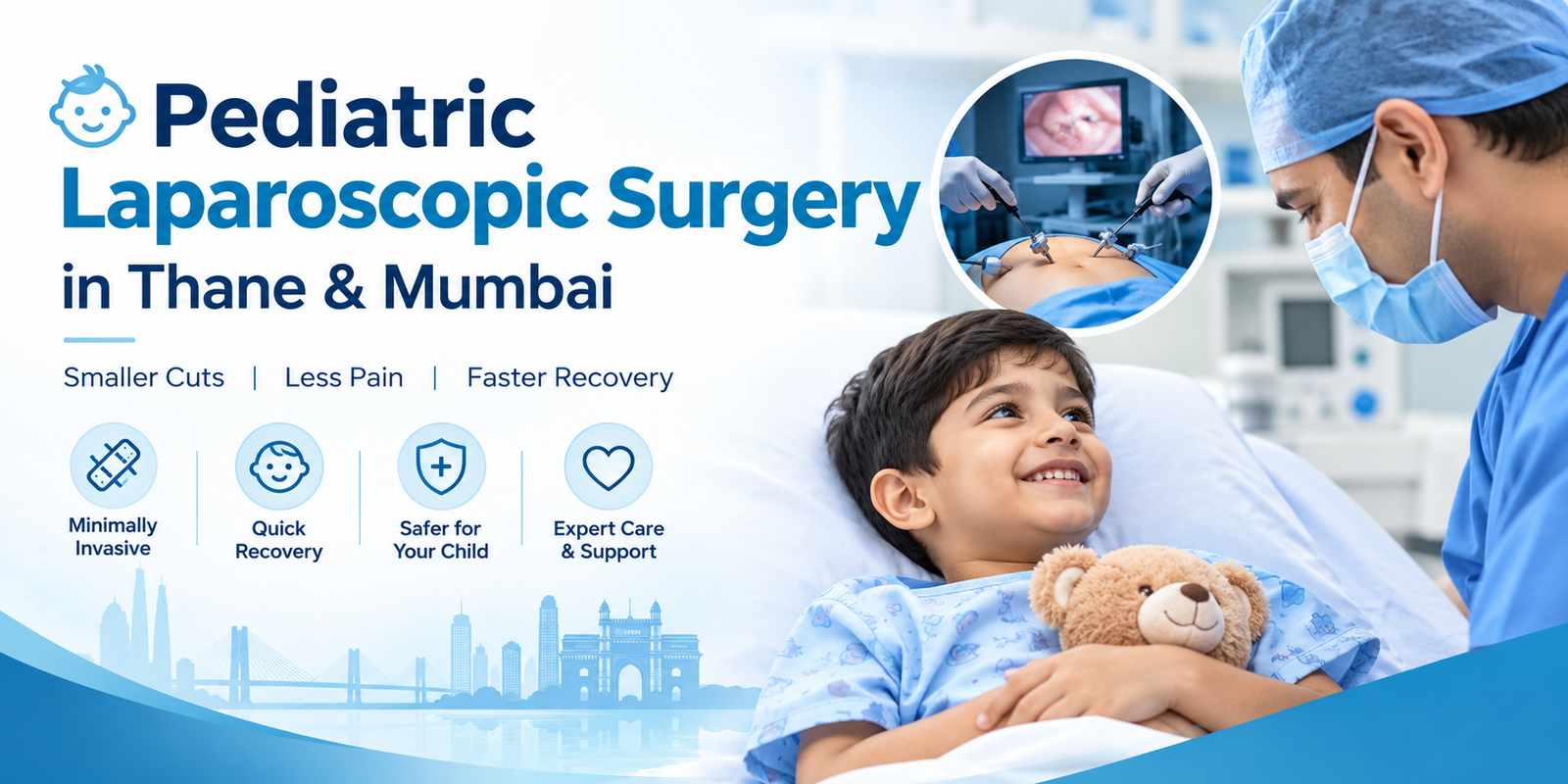
When a child needs surgery, parents naturally worry about pain, scars, and recovery. Pediatric laparoscopic surgery, also known as minimally invasive pediatric surgery, allows many surgical procedures to be performed through small incisions using specialized instruments and a camera.
Dr. Devendra Taide is an experienced Pediatric, Neonatal & Laparoscopic Surgeon providing advanced minimally invasive surgical care for newborns, infants, children, and adolescents. His experience includes advanced laparoscopic procedures in very small babies and children.
What is Pediatric Laparoscopic Surgery?
Pediatric laparoscopic surgery is a minimally invasive surgical technique used to diagnose and treat certain conditions in children through small incisions instead of a larger traditional surgical opening.
A small camera, called a laparoscope, provides a magnified view of the surgical area. Specialized instruments are then used to perform the required procedure.
Because children have smaller anatomical structures and specific surgical needs, pediatric laparoscopic procedures require specialized training and experience.
The suitability of laparoscopic surgery depends on the child’s age, condition, anatomy, and overall health. Dr. Devendra Taide evaluates each child individually before recommending the most appropriate surgical approach.
Why Choose Minimally Invasive Surgery for Children?
When appropriate for the child’s condition, laparoscopic surgery may offer several advantages over conventional open surgery.
Smaller Incisions
Laparoscopic procedures are performed through small incisions, which can result in smaller surgical scars.
Less Post-Operative Pain
Smaller incisions may reduce discomfort after surgery compared with some conventional procedures.
Faster Recovery
Many children can recover and return to normal activities sooner after minimally invasive procedures.
Shorter Hospital Stay
Depending on the procedure and the child’s recovery, minimally invasive surgery may allow a shorter hospital stay.
Reduced Tissue Trauma
Laparoscopic techniques can minimize disruption to surrounding tissues during selected procedures.
Better Cosmetic Results
Smaller incisions can result in less noticeable scars as they heal.
However, laparoscopic surgery is not suitable for every child or every condition. The safest and most effective surgical approach is always selected based on the individual child’s needs.
Pediatric Conditions Treated with Laparoscopic Surgery
Laparoscopic surgery can be used for selected pediatric conditions involving the abdomen, digestive system, urinary system, and other areas.
Pediatric Appendicitis
Laparoscopic appendectomy may be used to remove an inflamed appendix through small incisions.
Choledochal Cyst
A choledochal cyst is an abnormal dilation of the bile duct that may require surgical correction. Selected cases can be treated using laparoscopic techniques.
Duodenal Atresia
Duodenal atresia is a congenital blockage of the duodenum that prevents normal passage of food. Selected newborns may undergo minimally invasive surgical correction.
Hernia
Certain pediatric hernias may be treated using minimally invasive techniques depending on the child’s condition.
Gastrointestinal Conditions
Selected congenital and acquired gastrointestinal conditions may be treated using laparoscopic or thoracoscopic approaches.
Other Selected Pediatric Conditions
The use of minimally invasive surgery depends on the diagnosis, age, anatomy, and overall health of the child.
Advanced Minimally Invasive Expertise
Experience in Complex Pediatric Surgery
Dr. Devendra Taide is among the pediatric surgeons in Thane with experience in performing advanced minimally invasive procedures in very small babies and children.
His experience includes:
- Neonatal Laparoscopic Duodenal Atresia Surgery
- Pediatric Laparoscopic Choledochal Cyst Surgery
- Pediatric Thoracoscopic Lobectomy
- Laparoscopy-Assisted Gastric Pull-Up Surgery
These procedures require specialized pediatric surgical expertise because newborns and children have smaller anatomical structures and unique surgical requirements.
Laparoscopic & Thoracoscopic Surgery
Minimally invasive pediatric surgery is not limited to abdominal procedures.
Thoracoscopic surgery is a minimally invasive technique used for selected conditions involving the chest and lungs. Similar to laparoscopy, it uses a camera and specialized instruments inserted through small incisions.
For appropriate pediatric conditions, minimally invasive approaches can help reduce surgical trauma and support recovery.
Diagnosis & Evaluation
Before recommending laparoscopic surgery, Dr. Devendra Taide performs a detailed evaluation to determine whether minimally invasive surgery is appropriate for your child.
Evaluation may include:
- Detailed medical history
- Physical examination
- Ultrasound
- X-rays
- Blood investigations
- CT scan or MRI when required
- Other specialized investigations depending on the condition
The child’s age, diagnosis, anatomy, previous surgeries, and overall health are considered while deciding the most appropriate surgical approach.
Treatment Options
Not every pediatric surgical condition requires laparoscopic surgery.
Depending on the diagnosis, treatment may include:
Observation
Some conditions may be monitored without immediate surgery when clinically appropriate.
Laparoscopic Surgery
Minimally invasive surgery may be recommended when it provides a safe and effective treatment option.
Thoracoscopic Surgery
Selected chest and lung conditions may be treated through minimally invasive thoracoscopic techniques.
Conventional Open Surgery
Some complex conditions may be better treated through conventional open surgery. The priority is always to choose the safest and most effective approach for the individual child.
Why Choose Dr. Devendra Taide?
Choosing a surgeon for your child requires specialized pediatric expertise and experience with the unique needs of growing children.
Dr. Devendra Taide combines pediatric surgical expertise with advanced minimally invasive techniques to provide individualized surgical care.
Why Parents Choose Dr. Devendra Taide
- Experienced Pediatric, Neonatal & Laparoscopic Surgeon
- Advanced Minimally Invasive Surgical Expertise
- Experience in Laparoscopic Surgery in Newborns & Children
- Expertise in Complex Congenital Surgical Conditions
- Pediatric & Neonatal Surgical Care
- Child-Centered Treatment Approach
- Personalized Surgical Planning
- Comprehensive Pre- and Post-Operative Care
Frequently Asked Questions
What is pediatric laparoscopic surgery?
Pediatric laparoscopic surgery is a minimally invasive surgical technique used to treat selected conditions in children through small incisions using a camera and specialized surgical instruments.
Is laparoscopic surgery suitable for newborns?
Selected neonatal conditions can be treated using minimally invasive techniques. Suitability depends on the baby’s condition, size, anatomy, overall health, and the complexity of the procedure.
What are the benefits of laparoscopic surgery in children?
Potential benefits include smaller incisions, less post-operative discomfort, reduced tissue trauma, smaller scars, and faster recovery in appropriately selected cases.
Will my child have scars after laparoscopic surgery?
Laparoscopic surgery uses small incisions, so the resulting scars are generally smaller than those associated with many open surgical procedures. Scar appearance varies from child to child.
How long does recovery take after pediatric urological surgery?
Recovery depends on the type of procedure performed. Many children recover quickly after minimally invasive surgery and can return to normal activities within a short period, following the surgeon’s advice.
Is laparoscopic surgery better than open surgery?
Neither approach is universally better. The safest and most effective technique depends on the child’s condition. Laparoscopic surgery is beneficial for selected conditions, while some complex cases may require conventional open surgery.